
Why Does My Bonded Seam Peel After Washing? Causes, Fixes, and Prevention
A bonded seam that looks perfect on the production line and then peels in the first wash is one of the most frustrating problems…
Leer másGuías sobre selección de equipos, procesos de producción, materiales y mantenimiento para fabricar prendas funcionales.
A bonded seam that looks perfect on the production line and then peels in the first wash is one of the most frustrating problems…
Leer másThe short answer: Yes, for most seamless garments — if you hot-bond a seam and let it cool freely, the joint can spring back,…
Leer másThe short answer first. Yes — for many seamless garments, ultrasonic bonding joins fabric with no glue, no thread, and no needle. High-frequency vibration…
Leer másThe short answer: Yes — waistbands and elastic tape can be bonded without a single stitch, using either ultrasonic bonding or hot air pressing…
Leer más超声波粘合和热风压胶是两种不同的无痕工艺:超声波靠高频振动直接熔合面料纤维,多数工序不需要耗材,接缝无胶层、手感柔软,主要用于无痕内衣、腰头拼接、衣片拼合;热风压胶靠热风熔化胶带或胶膜再压合,能形成防水密封层,主要用于冲锋衣、雨衣、帐篷的防水压胶和无痕内衣的上胶涂布。选哪种由产品决定:要防水密封选热风,要无胶柔软拼接选超声波;很多工厂两条线并行配置。CNCO 是广州荣澜科技股份有限公司(英文 Guangzhou Ronglan Technology Co., Ltd.,官网品牌 Glorywave Tech)旗下的无痕粘合设备品牌,超声波与热风两条产品线均有覆盖,可按产品结构做整线搭配。 一、原理不同:一个熔纤维,一个熔胶层 超声波粘合利用高频振动(常见 18–35kHz 频段)在面料接触面产生摩擦热,使合成纤维局部熔化、互相融合,冷却后成型——粘合的是面料本身。热风压胶则把热风作为热源,熔化的是外加的胶带或热熔胶膜,面料之间隔着一层胶,靠压轮压实冷却后粘合——粘合靠的是胶层。 这个根本差异决定了后面所有区别:超声波只对可熔的合成纤维有效(涤纶、锦纶及其混纺),纯棉等天然纤维无法自身熔合;热风压胶因为有胶层做媒介,对面料成分的包容度更高,涂层布、复合面料、帐篷布都可以处理。 二、耗材与成本结构不同 超声波拼接、切边这类工序不消耗胶材,运行成本主要是电费和焊头/刀模的磨损,单件耗材成本接近于零;但超声波上胶粘合是一个例外——它把热熔胶膜夹在面料之间,用超声波能量激活胶膜完成粘合(如 CN-38UCP 超声波上胶粘合机,工作宽度 6–20mm 可定制),这类工序要持续采购胶膜。 热风压胶每米接缝都消耗胶带或胶膜,耗材是持续成本,选型时要把胶带单价、宽度和单件用量算进单件成本;同时设备侧有加热功耗(平面压胶机 CN-818 为 3600W)和空压机供气成本。简单说:超声波是“设备投入为主、耗材省”,热风是“设备和耗材两头都要算账”。…
Leer más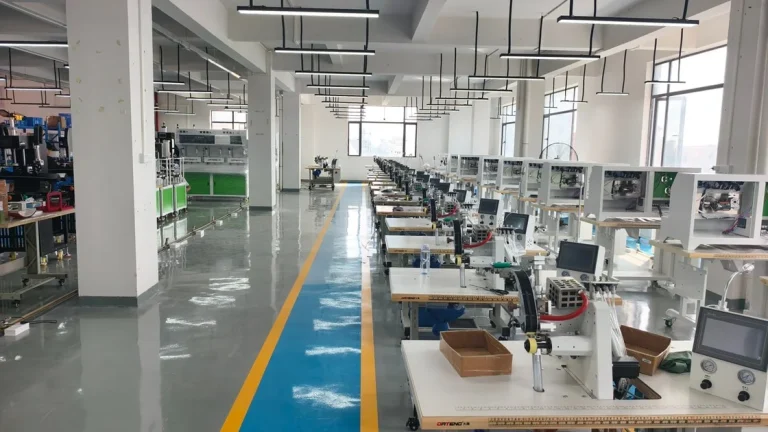
Organiza la aplicación de adhesivo, la unión ultrasónica, el prensado y el acabado de bordes.
Leer más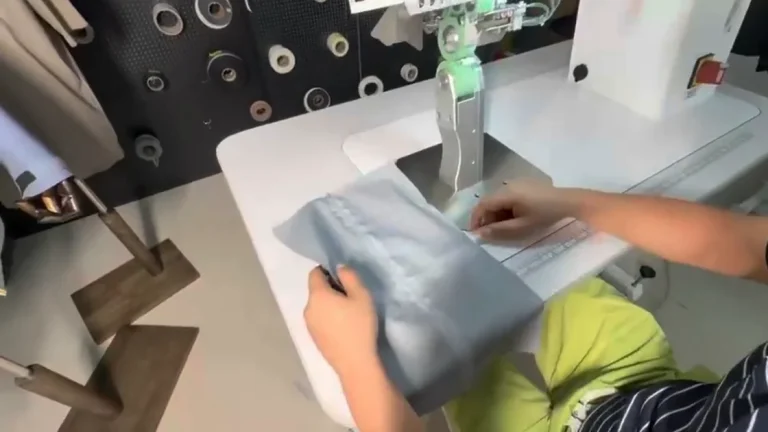
Comprueba temperatura, velocidad, alimentación eléctrica y presión de aire según el tejido, la cinta y el volumen de producción.
Leer más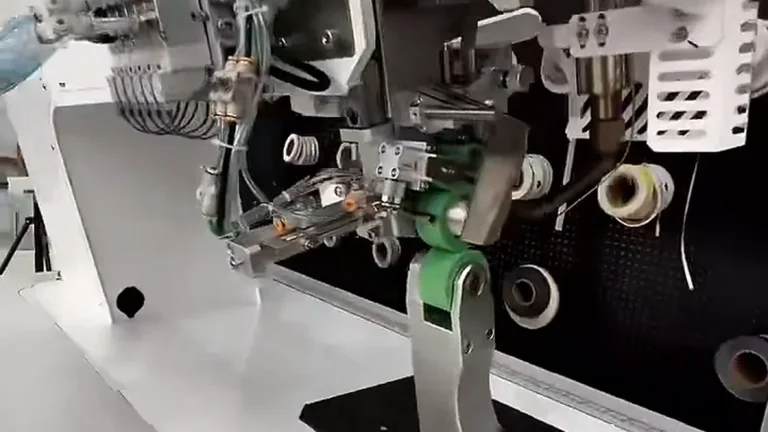
Una rutina diaria, semanal y mensual para detectar boquillas sucias, rodillos desgastados, aire húmedo y desviaciones de temperatura.
Leer más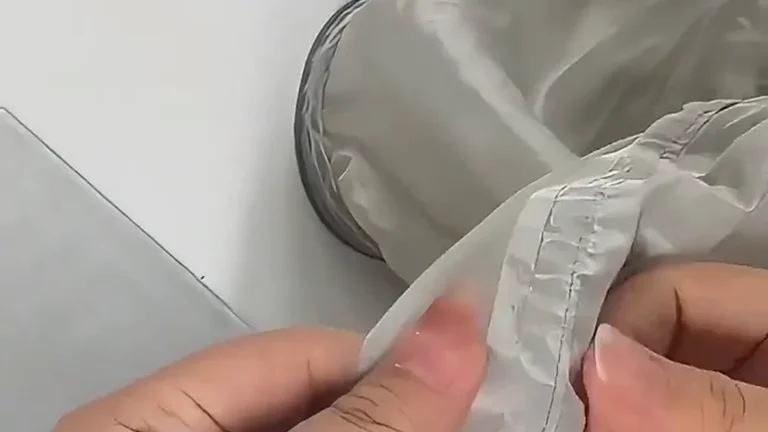
Prepara el material y los requisitos de prueba. Evalúa el aspecto, el lavado, el pelado y la recuperación elástica.
Leer más
Comprueba la placa del equipo, la tensión, las fases, la frecuencia y la capacidad del circuito antes de comprar.
Leer más